


January 6th, 2021, is a day etched in the collective memory of Americans, no matter their political views. The violent attack on the United States Capitol, an attempt to overthrow the results of a democratic election towards support for Donald Trump, left several dead and many more injured. Trump later pardoned nearly 1500 individuals including violent offenders involved in the attempted insurrection on his first day back in office in recent weeks, further underscoring his role in the attack on the nation's core institutions.
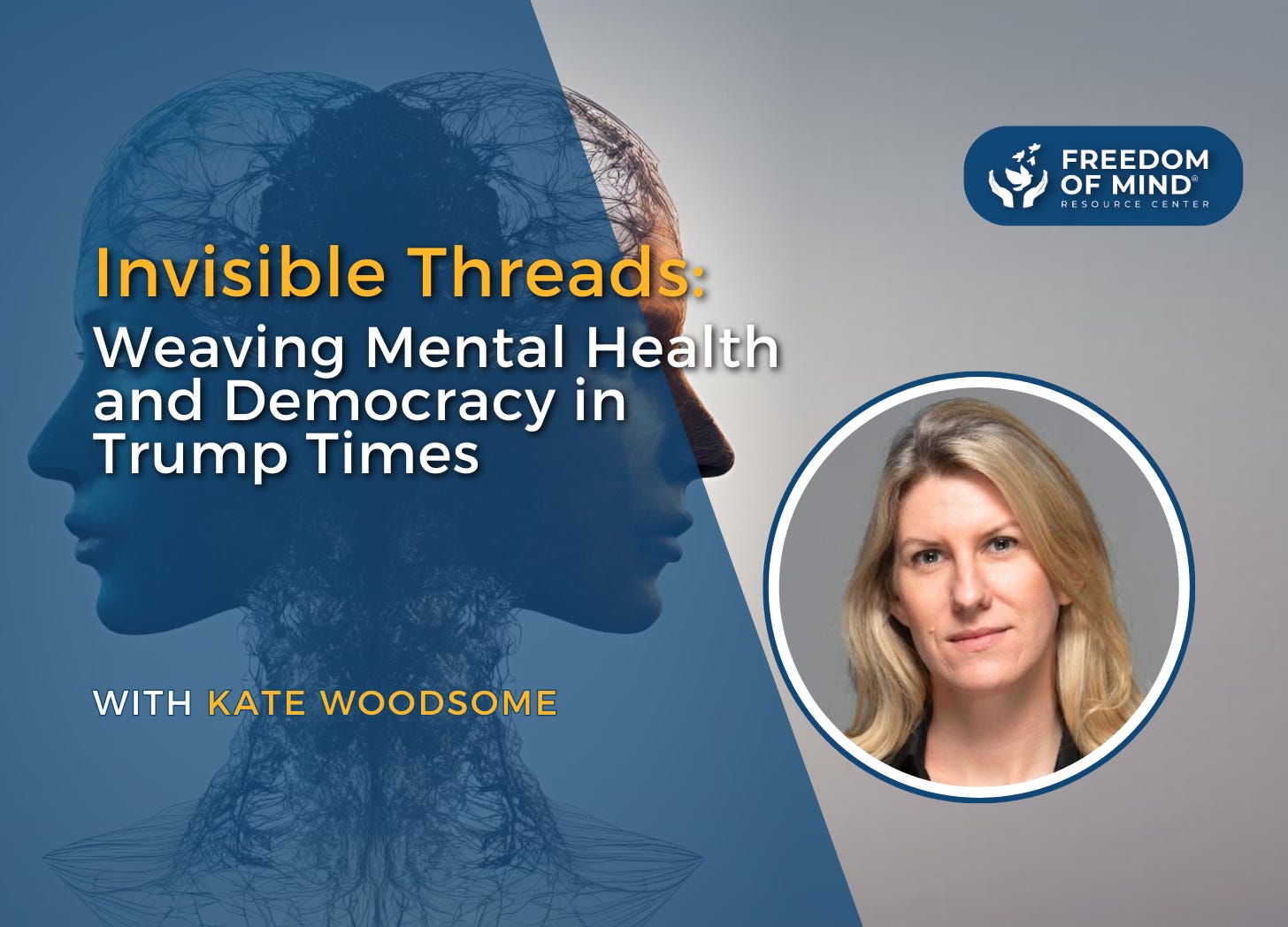
For those on the ground that day defending the Capitol, working inside the building, or covering the events for news outlets, post-traumatic stress is undeniable. The situation was chaotic, life-threatening, and fueled by the violent anger of those carrying Trump’s banners. Kate Woodsome, at the time a journalist for The Washington Post, was there during the attack. She recalled being handed a bulletproof vest, helmet, and mask, preparing for what would soon become an intensely hostile environment. Confronted by an angry mob, she was blamed simply for being part of the press. During our conversation, she described how she managed to de-escalate the situation with a quick, calculated response. Yet, the impact of the day left deep scars. “I experienced a very significant trauma from that interaction, from the entire day, and from the response to the trauma afterwards, institutionally,” she said.
