


Humans crave connection. This need for connection is a vital aspect of the psychology behind cults, coercion, and undue influence. Isolation makes people vulnerable and fearful and more likely to be influenced in harmful ways. Psychiatrist Ravi Chandra discusses the psychology of connection, how institutions can take action to encourage empathy and critical thinking, and how social media and fear-mongering news cycles are creating divisions. We need to be focusing on developing trust and community.
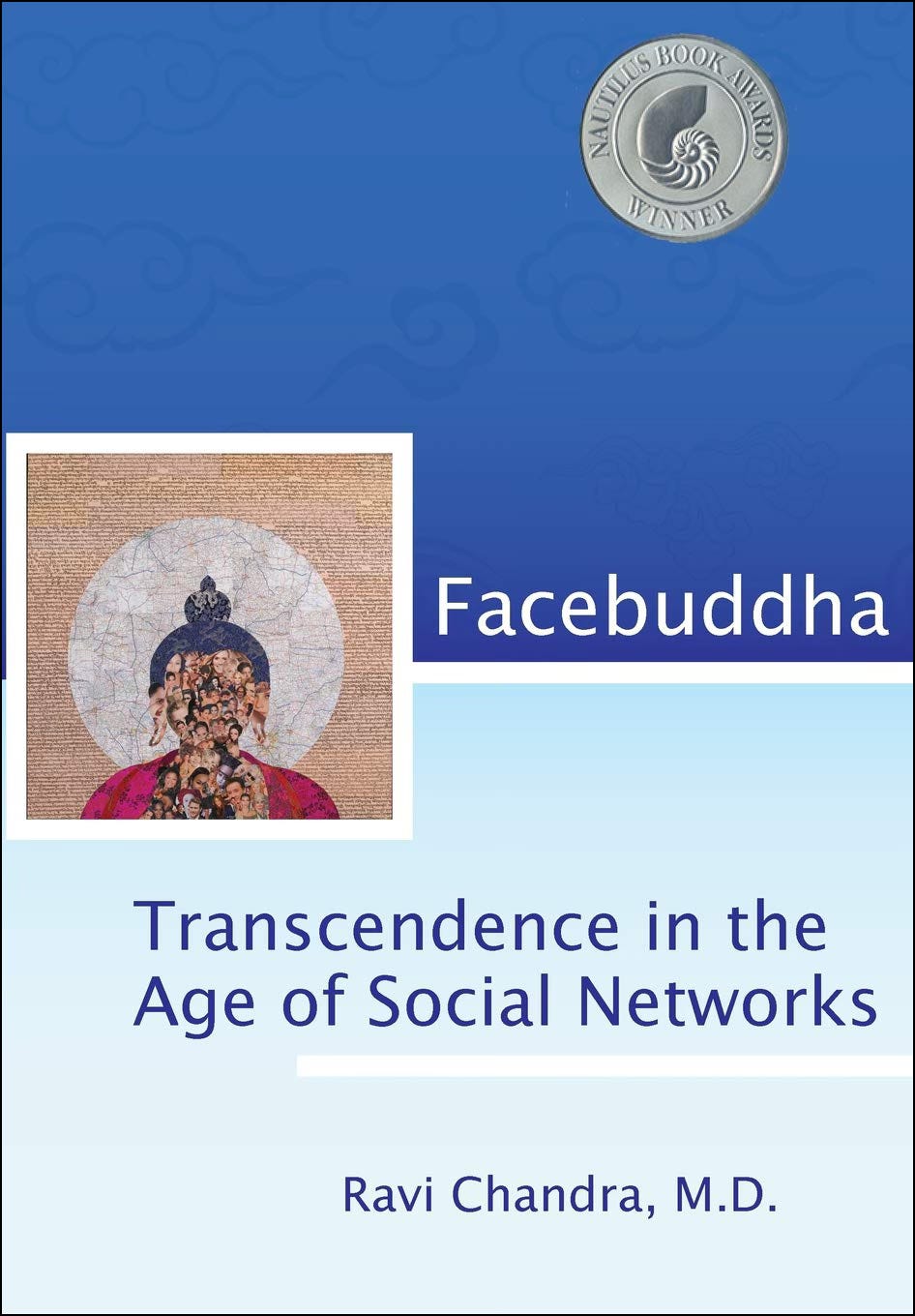
Ravi Chandra is a San Francisco psychiatrist, writer, and compassion educator and a Distinguished Fellow of the American Psychiatric Association (APA). He writes for Psychology Today and East Wind eZine and has written essays on film for the Center for Asian American Media for 14 years. He regularly teaches for the American Psychiatric Association and other venues. His debut nonfiction book, “Facebuddha: Transcendence in the Age of Social Networks,” won a 2017 Nautilus Silver Award. His debut documentary feature, “The Bandaged Place: From AIDS to COVID and Racial Justice,” was awarded Best Film at the 2021 Cannes Independent Film Festival.
Institutions and Their Responsibility to the Public
Discourse about culture, who we are as a nation, and how institutions can affect the collective consciousness of a group of people inevitably comes up in a discussion about the current state of America. As a member of the American Psychiatric Association, Ravi Chandra is concerned about the Goldwater Rule and how it limits what psychiatrists can and cannot say about public figures Like Donald Trump. The APA established the Goldwater Rule in 1973. The so-called “rule” says that psychiatrists should not diagnose a person from a distance; they should only offer professional opinions if they have done a personal examination and evaluation.
The APA used the Goldwater Rule to silence experts like forensic psychiatrist and expert in dangerousness, Bandy X. Lee, editor of The Dangerous Case of Donald Trump: 37 Psychiatrists and Mental Health Professionals Assess the President. Specifically, in the case of Donald Trump, forensic experts on dangerousness do not need to interview Trump. Trump’s statement about how he could stand on the corner of Fifth Avenue and kill someone and his followers would still follow him is a clear “red flag” among hundreds of other comments. However, the APA used the “Goldwater rule” to censor and silence those speaking out of a moral duty to “warn.”
More Information and exposure to “others” can help challenge bias, groupthink, and undue influence. Two of the most significant predictors of voting for Trump are ethnic isolation and adherence to authoritarianism. Trump voters are more likely to fear people who do not look like they do. They are also more likely to want an authority figure. They are looking for a leader, a savior, to save them from what they perceive as the “other.”
Who are we when we’re online?
Online activity further drives the sense of disconnectedness and “othering” beliefs. Anyone can post anything online, and many people believe everything they read or see. Instead of going out into the community and helping others, many people spend time online feeding their ever-growing fear. In a time when empathy and community are sorely needed, many people are fanning the flame of anger and division online.
Social media, where anyone can say anything, is vitally effective in Fourth Generation Warfare. Fourth Generation Warfare is aimed at undoing experts, undoing science, and undoing democratic institutions. Chaos and distrust fill the vacuum left behind. As a creator and encourager of chaos, Trump fights against experts in many ways. And Project 2025, which is becoming a hot topic as more and more people learn about it, also aims at experts and democracy. Social media will continue contributing to division and distrust of experts and institutions.
Looking to the Future
Ravi Chandra is fighting against the chaos by encouraging compassion and growing skills such as media literacy and using the scientific method. Ravi’s recommendations for psychiatrists would be to encourage using their expertise and knowledge to benefit society while being mindful of First Amendment rights and protected speech. Also, experts should be brave and motivate others to look for compassionate ways of understanding each other.
Social media has mass mental health effects and could be considered a mental health emergency. Dr. Chandra believes we need some version of the Fairness in Media Act back. We need guardrails around social media, and high schools must teach media literacy so future generations don’t believe everything they see on the Internet.
References and Links:
The Goldwater Rule: Article from Psychology Today
Dangerous Charisma: Unpacking Trump’s Leadership and His Followers’ Mentality
Political Rally Shooting: Keeping Cool Heads and Warm Hearts | Psychology Today
Do Trump Supporters or Their Opponents Have Good Hearts?
Ravi Chandra’s Book, Facebuddha: Transcendence in the Age of Social Networks
Ravi Chandra’s eZine, Eastwind
Ravi Chandra’s Film, The Bandaged Place: From AIDS to COVID and Racial Justice
Ravi Chandra’s Compassion Organization
Ravi Chandra’s Linktree
Ravi Chandra’s Private Practice